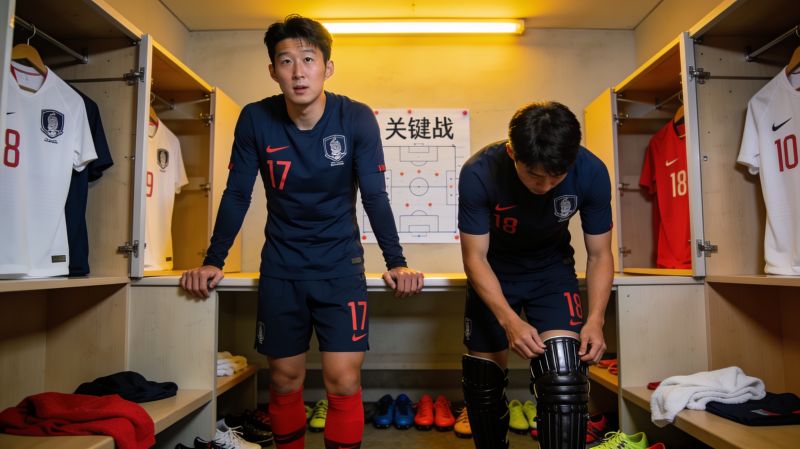
Football socks are not just a splash of color on the pitch—they are a piece of equipment that directly influences blister prevention, shin guard stability, and even a player's psychological readiness. I've watched amateur players spend hundreds on boots but pull on worn-out cotton socks that bunch at the heel. That single choice often leads to hot spots and, eventually。missed training sessions. The sock sits at the intersection of skin, sweat, and friction;get it wrong, and every sprint becomes a nagging reminder.Material composition matters more than most realize. A quality football sock typically blends polyester, nylon, and elastane—polyester wicks moisture away from the foot, nylon adds durability in high-wear zones like the toe and heel, and elastane provides the compression needed to hold shin guards in place. I recall a semi-pro defender who switched from 100% cotton socks to a technical blend and reported fewer blisters within two weeks. Cotton retains sweat, softens, and rubs. On a wet pitch, that becomes a grater against the skin. Compression also aids circulation, which can reduce calf fatigue during the final twenty minutes of a match. It's a small edge。but at competitive levels, small edges accumulate.Fit and construction details separate functional socks from decorative ones. Look for a defined heel pocket—not a straight tube—because a sock that twists inside the boot causes uneven pressure. The cuff should sit snug below the knee without digging in;
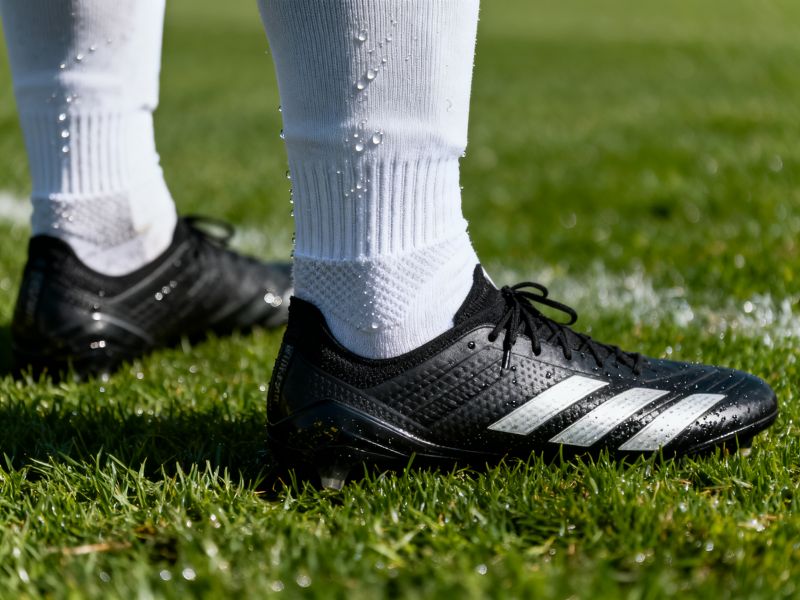
if it leaves deep marks after ninety minutes, the elastic is too aggressive. Reinforced toe and heel panels extend lifespan, and flat-lock seams prevent chafing along the Achilles. I've seen players tape their socks at the ankle to prevent slipping。but that's a workaround for poor fit. A properly sized sock stays put. Also, consider thickness: thin socks suit tight-fitting boots, while cushioned socks help on hard, dry pitches. There is no universal best—only the right match for your boot and playing surface.Color and design carry practical weight beyond aesthetics. Referees use sock color to distinguish teams, and mismatched socks can cause confusion during quick restarts. More importantly, many leagues require socks to cover shin guards entirely—a rule that exists for safety。
not tradition. I've seen a player sent off for rolling his socks down below the guard, exposing the hard plastic edge. That's a risk no one should take. Youth coaches should teach players to pull socks fully up and check the guard position before kickoff. It takes five seconds and prevents a preventable injury.Care habits determine how long football socks perform at their best. Wash them inside out in cold water and skip the fabric softener—it coats the fibers and reduces wicking. Air-dry rather than tumble-dry;heat degrades elastane and loosens the cuff. Rotate between two or three pairs during a season to let the elastic recover. I've kept a pair of match socks for three years by following those steps, and they still hold shape. The cost per wear drops dramatically. Football socks are quiet workhorses. Treat them with the same attention you give your boots。and they will return the favor on every stride, tackle, and late-game sprint.